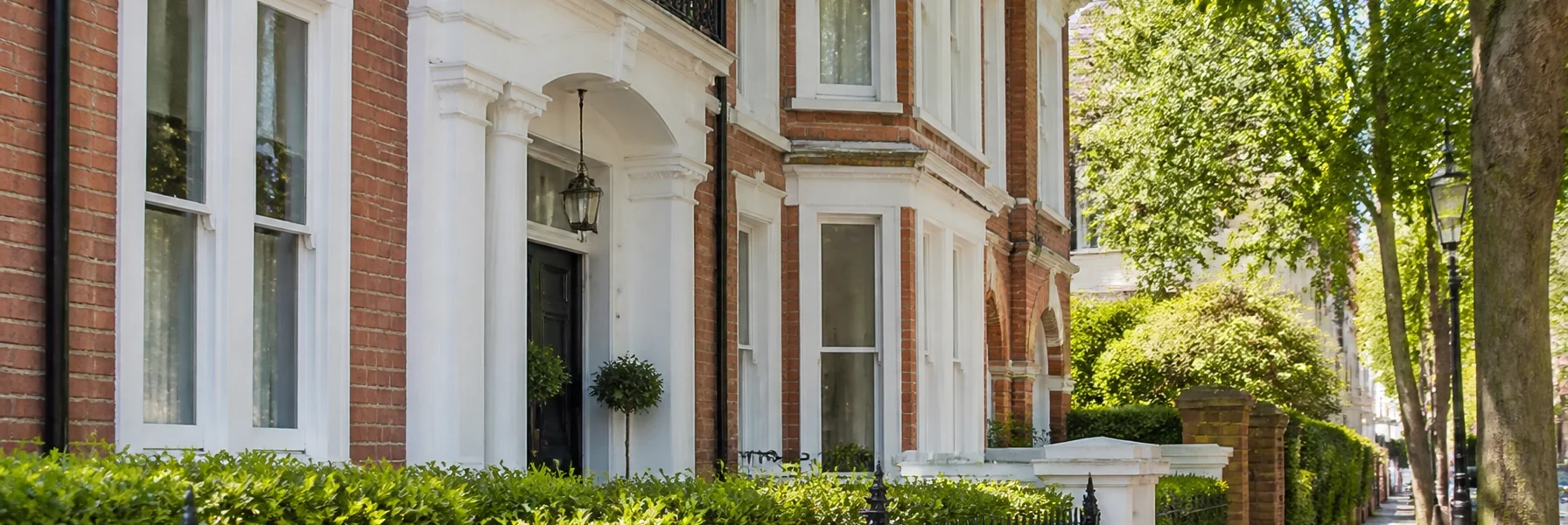
It’s May 2026, and the landscape of the UK private rented sector has fundamentally shifted. For property managers, estate agents, and landlords, the "wait and see" approach to maintenance is officially a thing of the past. With the full implementation of the Renters’ Rights Act and the extension of Awaab’s Law into the private sector, high maintenance standards have transitioned from a "best practice" goal to a non-negotiable legal mandate.
At Brightstar Solutions, we’ve always believed that proactive maintenance is the backbone of successful property management. However, under the new 2026 regulations, the stakes are higher than ever. Failing to address a damp patch or a faulty boiler isn't just a tenant relationship issue anymore: it’s a compliance emergency that can lead to heavy fines, legal action, and a mandatory requirement to provide alternative accommodation at your expense.
The New Reality of the Renters’ Rights Act
The Renters’ Rights Act 2025 (with core reforms biting in May 2026) has introduced the most significant changes to the industry in decades. The abolition of "no-fault" Section 21 evictions was just the beginning. The real teeth of the legislation lie in the introduction of the Decent Homes Standard to the private sector and the beefed-up enforcement powers given to local authorities.
Under these new rules, every property in your portfolio must be free from serious health and safety hazards. This is measured against the Housing Health and Safety Rating System (HHSRS). If a property fails to meet these standards, it is legally deemed "unfit," and the consequences for property managers are immediate.

Awaab’s Law: The Clock is Ticking
Perhaps the most daunting change for property managers is the extension of Awaab’s Law. Originally designed for social housing, these regulations now apply to all private tenancies. The law creates strict, legally binding timelines for responding to hazards: specifically damp and mould.
Here is the breakdown of the timelines you are now legally required to follow:
- Emergency Hazards: If a hazard poses an imminent risk (such as a gas leak or severe structural issue), you must investigate "as soon as reasonably practicable" and within 24 hours.
- Significant Damp or Mould: You must investigate within 10 working days of a tenant report.
- Completion of Safety Works: If a significant hazard is identified, safety works must begin within 5 working days of the investigation.
- Written Summaries: You must provide tenants with a written summary of your findings and the planned steps within 3 working days of an investigation.
The "lifestyle" excuse is gone. You can no longer blame a tenant’s habit of drying clothes indoors as a reason to delay repairs. The law requires you to identify the root cause: whether it’s roofing issues, poor ventilation/plumbing, or structural defects: and fix it.
Why Proactive Maintenance is Your Only Shield
In this new era, reactive maintenance is a high-risk strategy. If you are waiting for a tenant to complain before you send a contractor, you are already behind the clock. The 24-hour and 10-day windows leave almost no room for the traditional "quote and approve" cycle that many estate agents rely on.
This is where proactive property maintenance becomes your greatest asset. By shifting to a planned maintenance schedule, you can identify hazards before they become legal liabilities.
The Financial Risk of Falling Short
Non-compliance isn't just about fines. If a property is deemed unsafe and repairs cannot be completed within the legal timeframe, you may be forced to pay for suitable alternative accommodation for your tenants. In cities like London, the cost of rehousing a family in a hotel or short-term rental for two weeks can easily exceed the cost of the repair itself.

How Brightstar Solutions Keeps You Compliant
We built Brightstar Solutions to be the partner that property managers need in a high-compliance environment. We provide proactive, maintenance, and support for property management companies, estate agents, and facility management companies. We understand that in 2026, "fast" isn't enough: you need "compliant."
1. 24-Hour Emergency Response
Our electrical and plumbing teams are structured to meet the 24-hour emergency window required by Awaab’s Law. When an emergency hazard is reported, we don't just put it on a list; we deploy.
2. Comprehensive Root-Cause Analysis
Awaab’s Law specifically demands that landlords fix the cause of damp and mould, not just paint over the symptoms. Our multi-disciplinary team covers everything from roofing repairs to decorating, ensuring that when we fix a problem, it stays fixed.
3. Industry-Recognised Accreditation
Compliance is built on trust. Brightstar Solutions holds key industry certifications, including:
- NICEIC Approved Contractor (for all electrical services)
- Gas Safe Register
- SafeContractor Approved
These aren't just logos on our website; they are your guarantee that the work being done on your portfolio meets the highest safety standards required by the 2026 reforms.

The Strategic Advantage of High Standards
While the Renters’ Rights Act 2026 might feel like a burden, there is a silver lining. High maintenance standards actually increase the long-term value of your assets. Properties that are well-maintained have lower turnover rates, fewer void periods, and higher capital appreciation.
Moreover, in a world where tenants have more power to challenge poor conditions, having a reputation for "high-standard maintenance" becomes a competitive advantage for estate agents. When you can tell a prospective landlord that their portfolio is managed by a team that guarantees Awaab’s Law compliance, you win more instructions.
Conclusion: Don't Wait for the Improvement Notice
The time to audit your portfolio is now. The 2026 regulations have removed the "grey areas" of property maintenance. You are either compliant, or you are at risk.
At Brightstar Solutions, we specialise in helping businesses like yours navigate these complexities. Whether you need a one-off emergency repair or a long-term proactive maintenance partner to ensure every property in your portfolio meets the Decent Homes Standard, we are here to support you.
Let’s make sure your properties are maintained to the high standard your tenants deserve and the law demands.
The Brightstar Team

{“@type”:”BlogPosting”,”image”:”https://cdn.marblism.com/blank-white-hero.png”,”author”:{“name”:”Brightstar Solutions”,”@type”:”Organization”},”@context”:”https://schema.org”,”headline”:”Renters’ Rights Act 2026: Why High Maintenance Standards Are No Longer Optional”,”publisher”:{“logo”:{“url”:”https://cdn.marblism.com/oFg8hHXj706.png”,”@type”:”ImageObject”},”name”:”Brightstar Solutions”,”@type”:”Organization”},”articleBody”:”It’s May 2026, and the landscape of the UK private rented sector has fundamentally shifted… [full content truncated for schema brevity]”,”description”:”An in-depth guide for property managers and landlords on the Renters’ Rights Act 2026 and Awaab’s Law compliance requirements for property maintenance.”,”datePublished”:”2026-05-29″}